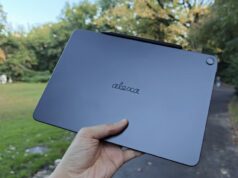


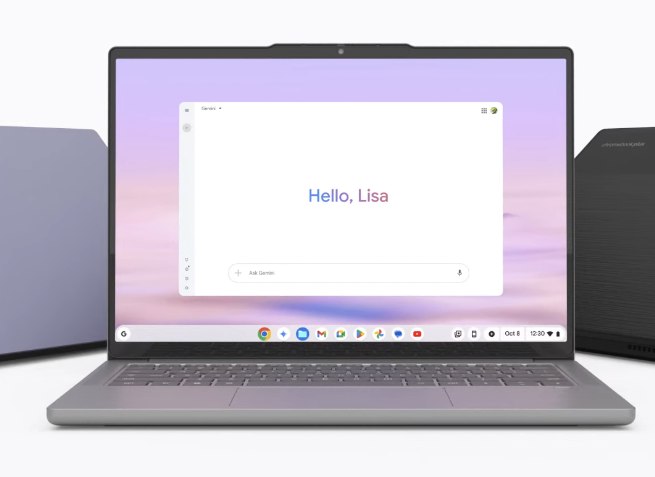
Google said Monday that a small number of Android apps may not run at their best on the Intel versions of its new Googlebook laptops, a caveat issued the day the machines went on sale after the company had promoted access to the full Play Store.
In a statement to Android Authority, Google said: “The vast majority of Android apps run smoothly across both Intel and Qualcomm Googlebooks right out of the box. Because many Android apps were originally designed for Arm chips, a small handful of complex apps or games need some developer tuning to run their best on Intel-based platforms. We’re working hand-in-hand with app developers, Intel, and Qualcomm to continuously optimize performance and expand compatibility across the entire portfolio.”
Google did not say how many apps are affected or name any of them. Five Googlebooks went on sale Monday. Models from Acer, Asus and Lenovo use x86 Intel chips. Models from Dell and HP use Qualcomm’s Arm-based Snapdragon processors, which match the architecture most Android apps were built for and should have fewer compatibility gaps.
The distinction is the one Google had not led with. Android on phones and tablets runs on Arm. An x86 laptop can still open those apps, through a compatibility layer that translates instructions written for Arm into instructions an Intel chip can execute. Translation works for most software. It costs performance in apps that lean on graphics, custom code or timing, which is why Google pointed at “complex apps or games” rather than the store as a whole. Availability and smoothness are different claims. The store is there. The frame rate may not be.
Google had emphasized that the Android-based Googlebooks give owners the “entire Play Store library,” plus tighter links to Android phones and tablets. That library claim is still what the company is standing on. The new sentence is the qualifier: every app is available, and a handful need tuning to run their best on Intel. Buyers of the Acer, Asus and Lenovo models are the ones the qualifier applies to. Buyers of the Dell and HP models are, on Google’s account, closer to the original pitch.
The company said it is working with developers, Intel and Qualcomm on optimization. That is a process, not a patch dated to launch day. Until named apps are listed, a buyer cannot know whether a particular game or tool is in the handful. Reviews of the five machines, including tests planned by The Verge, are the likely source of the first specific failures.
Googlebooks are the company’s attempt to put Android on a laptop without calling the result a Chromebook. The Intel versions widen the range of chips and narrow the promise. Qualcomm models inherit the app base. Intel models inherit a translation step Google is now describing in public, on the morning the laptops reached stores. The vast majority, the company said, are fine. It has not yet said which ones are not.