


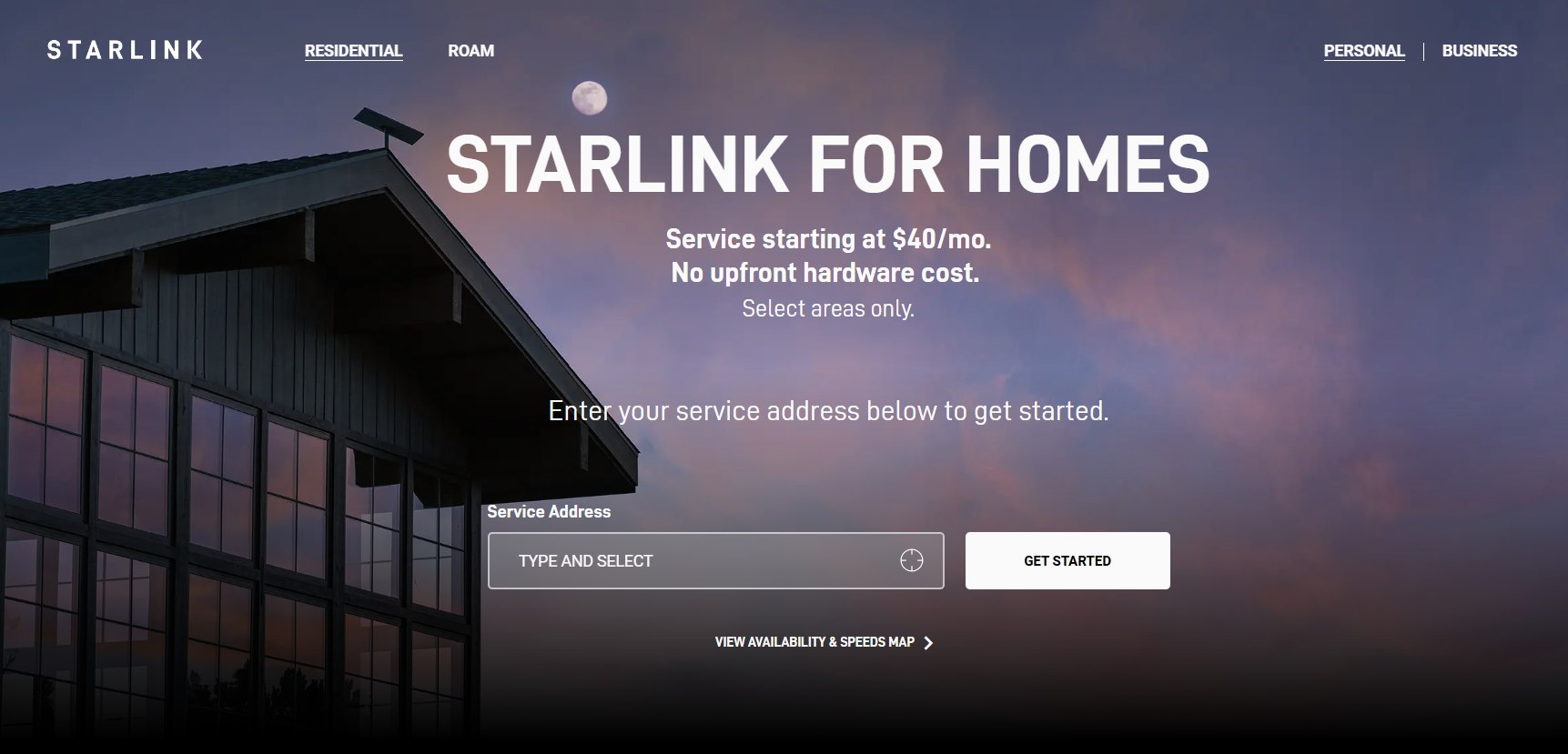
Starlink, SpaceX’s satellite internet constellation, is one of the most ambitious projects in modern technology. With thousands of satellites orbiting Earth, it promises to deliver high‑speed internet to even the most remote corners of the globe. Below are 10 fun and fascinating facts about Starlink, expanded into a comprehensive deep dive.
🌍 1. Starlink Is the Largest Satellite Constellation Ever Built
- Over 5,000 satellites are currently in orbit, making Starlink the largest satellite network in history.
- SpaceX plans to eventually deploy up to 42,000 satellites, dwarfing all other constellations combined.
- This scale is unprecedented: before Starlink, most satellite networks had fewer than 200 satellites.
Why it matters: The sheer size allows Starlink to provide near‑global coverage, including rural and oceanic regions where traditional broadband is unavailable.
🚀 2. Starlink Satellites Orbit Much Lower Than Traditional Ones
- Starlink satellites operate in low Earth orbit (LEO) at altitudes between 340–550 km, compared to geostationary satellites at 35,000 km.
- This proximity reduces latency (signal delay), making Starlink internet faster and more responsive.
- In 2026, SpaceX announced plans to lower thousands of satellites even further to reduce collision risks and improve performance.
Fun fact: Because they’re so close, Starlink satellites are sometimes visible to the naked eye shortly after launch.
📡 3. Starlink Uses “Dishy McFlatface”
- The user terminal, nicknamed Dishy McFlatface, is a sleek, self‑orienting satellite dish.
- It automatically aligns with satellites overhead, requiring minimal setup.
- The latest version is smaller, lighter, and more energy‑efficient, making it easier to install on homes, RVs, and boats.
Fun fact: The quirky name came from SpaceX engineers and quickly became a fan favorite.
⚡ 4. Starlink Gen‑3 Satellites Are Game‑Changers
- In 2026, SpaceX began deploying third‑generation satellites.
- Improvements include:
- Higher speeds (up to 250 Mbps per user).
- Lower latency (20 ms or less).
- Better capacity to handle millions of users simultaneously.
- Integration with Starship rockets, allowing mass launches of larger satellites.
Why it matters: Gen‑3 satellites are designed to support advanced applications like cloud gaming, telemedicine, and autonomous vehicles.
🌐 5. Starlink Is Already Available in Over 70 Countries
- Starlink service has expanded rapidly, reaching North America, Europe, Asia, Africa, and Oceania.
- Remote communities in Alaska, rural Australia, and even ships at sea now have reliable internet.
- In 2025, Starlink announced partnerships with airlines and cruise lines to provide in‑flight and maritime connectivity.
Fun fact: Mount Everest base camp and Antarctic research stations have tested Starlink successfully.
💰 6. Starlink Is Surprisingly Affordable
- Standard plans cost around $110 per month, with equipment priced at $599.
- Business plans offer higher speeds and priority service for $250–$500 per month.
- Compared to traditional satellite internet, which often costs more and delivers slower speeds, Starlink is a bargain.
Why it matters: Affordable pricing makes high‑speed internet accessible to underserved communities worldwide.
🛰️ 7. Starlink Satellites Have Laser Links
- Newer satellites use inter‑satellite laser communication, allowing them to pass data directly between each other without ground stations.
- This creates a global mesh network, reducing reliance on terrestrial infrastructure.
- Laser links enable coverage in oceans, deserts, and polar regions where ground stations are impractical.
Fun fact: These lasers transmit data at nearly the speed of light, making Starlink one of the fastest networks in existence.
🌌 8. Astronomers Aren’t Thrilled
- Starlink satellites are bright enough to interfere with astronomical observations.
- Scientists worry about “satellite trails” appearing in telescope images.
- SpaceX has responded by adding dark coatings and visors to reduce reflectivity.
Why it matters: Balancing global internet access with scientific research is a major challenge for the future of space exploration.
🏠 9. Starlink Works Almost Anywhere
- Starlink has proven effective in war zones, disaster areas, and rural villages.
- In Ukraine, Starlink terminals provided critical communication during the 2022–23 conflict.
- Emergency responders use Starlink after hurricanes, earthquakes, and wildfires when traditional networks fail.
Fun fact: Starlink dishes can be powered by solar panels, making them ideal for off‑grid living.
🔮 10. Starlink Could Power the Future of Mars
- Elon Musk has hinted that Starlink technology could be used to establish internet on Mars.
- Starlink’s low‑orbit design is adaptable to other planets, potentially supporting colonization efforts.
- While speculative, the idea aligns with SpaceX’s broader mission of making humanity multiplanetary.
Fun fact: A “Marslink” network could allow settlers to communicate with Earth in near real‑time, despite the 20‑minute signal delay between planets.
📊 Comparison Table: Starlink vs. Traditional Satellite Internet
| Feature | Starlink (LEO) | Traditional Satellite (GEO) |
|---|---|---|
| Altitude | 340–550 km | 35,000 km |
| Latency | ~20–40 ms | ~600 ms |
| Speed | 50–250 Mbps | 10–50 Mbps |
| Coverage | Global (70+ countries) | Limited regions |
| Cost | $110/month | $150–300/month |
| Equipment | $599 dish | $1,000+ dish |
⚠️ Challenges and Risks
- Space debris: Thousands of satellites increase collision risks.
- Regulation: Governments must balance innovation with safety and competition.
- Astronomy impact: Ongoing concerns about interference with scientific research.
- Scalability: Managing millions of users while maintaining speed and reliability.
🎯 Conclusion
Starlink is more than just an internet service — it’s a global infrastructure project reshaping how humanity connects. From quirky “Dishy McFlatface” terminals to laser‑linked satellites, Starlink combines innovation, accessibility, and ambition. While challenges remain, its potential to bridge the digital divide and even support interplanetary communication makes it one of the most exciting technologies of our time.