


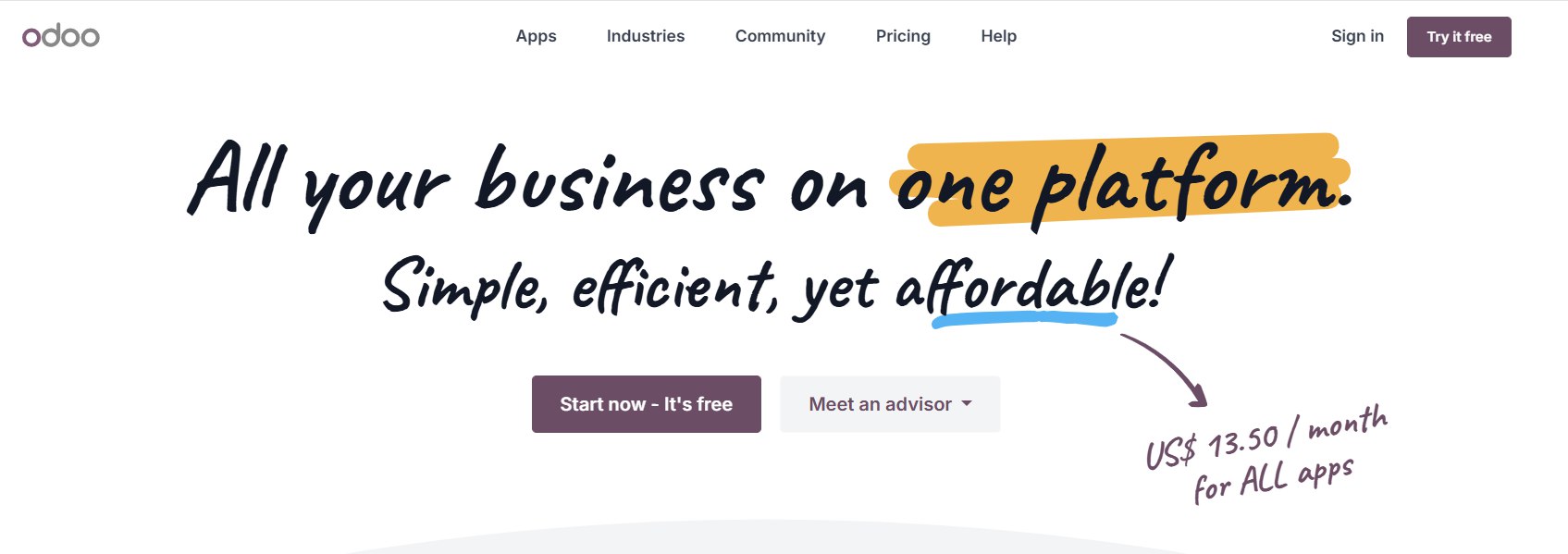
Brussels — Odoo, the open-source enterprise resource planning (ERP) and business management suite, continues its rapid evolution in 2026 with the January release of Odoo 19.1, delivering refined workflows, smarter AI capabilities and enhanced controls across finance, supply chain, HR and more.
The platform, developed by Odoo S.A., powers operations for millions of users worldwide through its modular design that lets companies start small and scale by activating apps as needed. Odoo 19, launched in September 2025, introduced major advancements in AI, equity management and ESG tracking, while the 19.1 patch focuses on practical refinements rather than groundbreaking new modules.
Key Features and Recent Updates
Odoo’s all-in-one approach integrates over 30 core apps covering CRM, e-commerce, accounting, inventory, manufacturing, project management, HR, point of sale and website building. In Odoo 19 and 19.1, standout enhancements include:
- AI Integration — Expanded AI agents now handle file-based Q&A, group data by time periods (day, month, quarter, year) automatically, and provide clearer feedback for faster insights without manual setup.
- Manufacturing and Inventory — Stronger controls with ASAP planning, manufacturing order (MO) splitting, simplified replenishment and improved traceability for batches and serial numbers.
- Point of Sale and Retail — Streamlined workflows featuring customer notes, combo product suggestions and faster processing.
- Collaboration Tools — Pinned messages, polls, favorites in Discuss, and better team coordination in Project and Helpdesk.
- Finance and Accounting — Forecast-based purchasing, grouped RFQs by vendor arrival dates, updated activity modals and industry-specific packages like Accounting Firm for identity management and anti-money laundering compliance.
- Website and Marketing — Quicker email and website tools, reduced clicks for common tasks, and unified contact filters distinguishing companies from individuals.
Odoo remains available in two editions: the free, open-source Community version for self-hosting, and the paid Enterprise edition offering extra apps, professional hosting, upgrades and support.
Integrations and Extensibility
One of Odoo’s strongest suits is seamless native integration across modules — sales automatically sync with inventory, invoicing and accounting, eliminating data silos. For external tools, Odoo supports hundreds of connectors via its app store, including Google Workspace, Zapier, Shopify, payment gateways (Stripe, PayPal), shipping providers and more.
Third-party developers contribute thousands of modules, and Odoo’s Studio app allows no-code customizations like new fields, views and automated actions. Recent 2026 guides emphasize proper integration strategies to avoid fragmented data, with real-time syncing and API improvements reducing manual work.
Pricing Structure in 2026
Odoo uses transparent, per-user pricing with no hidden fees or usage limits. The Enterprise plan includes all apps for one fee:
- Standard plan: Approximately $25–$37 per user per month (varies by region; U.S. around $24.90–$35), billed monthly or annually (with first-year discounts on annual commitments).
- Custom options for larger deployments include dedicated infrastructure.
Community edition remains 100% free but lacks some advanced features and official support. Odoo.sh hosting starts around $180/month for developers.
Some users reported price adjustments in early 2026, with certain plans reaching higher tiers like $76 per user in select cases, though official pages maintain consistent base rates.
Pros of Odoo
- Modular and Flexible — Activate only needed apps, scaling from startups to enterprises without switching systems.
- Cost-Effective — All-inclusive pricing beats fragmented tool stacks; free Community version ideal for testing.
- Tight Native Integrations — Real-time data flow across CRM, sales, inventory, accounting and more reduces errors.
- Customization Power — Open-source core, Studio for no-code tweaks, vast community modules.
- AI and Productivity Boosts — 2026 updates deliver smarter automation, faster UI and workflow refinements.
- Global Reach — Strong localizations, multi-company support and industry packages.
Users praise the unified platform for centralizing operations, with high marks for value and functionality on sites like Capterra (4.2/5 from 1,283 reviews) and Software Advice.
Cons and Challenges
- Learning Curve and Complexity — Steep for beginners due to extensive options; some find UI unintuitive initially.
- Upgrade and Customization Risks — Heavy Studio use or custom code can complicate upgrades, create technical debt or affect performance.
- Occasional Bugs and Support Variability — Minor issues persist; Enterprise support is strong, but implementation quality depends on partners.
- Dependency on Implementation — Success often requires skilled partners for complex setups.
- Limited Offline Capabilities — Some modules (e.g., Field Service) struggle without internet.
Reviewers note monthly updates can introduce changes requiring adaptation, though they improve the system overall.
Who Should Use Odoo in 2026?
Odoo suits small to midsized businesses seeking affordable, all-in-one ERP with growth potential. Manufacturing, retail, services and e-commerce firms benefit most from its supply chain and POS strengths. Larger enterprises leverage its scalability and AI tools.
With Odoo Experience 2026 set for Sept. 24–26 in Brussels — expected to preview Odoo 20 — the platform shows no signs of slowing. As AI-driven automation and integrated operations become standard, Odoo’s modular, open approach positions it as a strong contender against pricier legacy ERPs.
Businesses evaluating options should trial the free version or consult partners to assess fit. For those prioritizing flexibility, cost savings and future-proofing, Odoo remains a top choice in 2026.